


Deep Glute & Buttock Pain
Physiotherapy for Gluteal, Piriformis & SIJ-Related Pain in St Albans
Buttock pain can be confusing. Some people feel a tight knot deep in the glute. Others have sharp pain when sitting, running or climbing stairs. For some, the pain starts in the hip and spreads across the pelvis or down the side of the thigh.
Many patients arrive unsure whether their symptoms are coming from the spine, the hip, the SIJ or a deep gluteal muscle. The good news is that most of these patterns respond very well to clear assessment, hands-on treatment and targeted strength work.
At Redrock Physio in St Albans, we help you understand exactly which pattern is driving your pain — and what will help it settle.
Why Deep Glute / Buttock Pain Happens
Pain in this area often comes from one of several overlapping sources:
-
Overload of the gluteal tendons
-
Irritation of the small deep hip rotators (including piriformis)
-
The SIJ working too hard
-
A hip–spine load-sharing problem
-
Stiff ribs or reduced pelvic mobility
-
Weak or inhibited glutes
-
Altered control after pregnancy
-
A running or training spike
-
Sitting compression on the outer hip
These issues often blend together — which is why accurate assessment is so important.
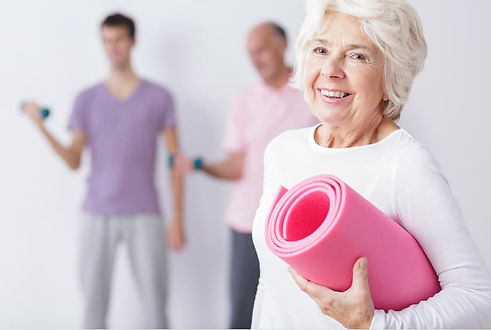
How Physiotherapy Helps
Treatment depends on the pattern, but often includes:
-
Hands-on release for tight or guarded muscles
-
Gluteal and hip strengthening
-
Reformer Pilates for controlled load
-
Rib and thoracic mobility
-
SIJ off-loading and stability work
-
Gait and running mechanics
-
Shockwave therapy for GTPS (excellent evidence)
-
Pacing and load management
-
Personalised video exercise plan
Our goal is to help you move, sit, walk and exercise without the constant “deep ache” or sharp catching pain.
Redrock’s Approach: Clear Pattern-Based Assessment
Our first job is to work out where the pain is truly coming from. Your assessment includes:
-
Hip and pelvis movement testing
-
Glute strength and control
-
SIJ compression / distraction patterns
-
Rib and thoracic mobility
-
Lumbar contribution (spine vs hip referral)
-
Running or walking mechanics
-
Tenderness over the gluteal tendons (GTPS signs)
-
Piriformis / deep rotator testing
-
Functional tasks: sit-to-stand, stairs, load transfer
-
Postpartum-specific considerations if relevant
You’ll leave with a calm, clear explanation that makes sense.
_edited%20(1).jpg)
Common Symptoms
People with deep glute or buttock pain often notice:
-
Pain sitting, especially on soft chairs
-
Aching or sharp pain on the outside of the hip
-
Tenderness over the bony part (greater trochanter)
-
Sharp catching when walking uphill or climbing stairs
-
Buttock pain during or after running
-
Pain lying on the affected side
-
Deep ache around the SIJ area
-
Pain when crossing legs or twisting
-
Tight or gripping sensation in the glute
-
Pain that can mimic sciatica but generally stops above the knee
These symptoms help us identify the pattern quickly.
Key Conditions Included in Deep Glute Pain
You don’t need to diagnose anything yourself — we work that out for you. But these common postpartum patterns can help your symptoms make more sense.

When Pain Mimics Sciatica
Deep glute pain often triggers:
-
Buttock pain
-
Pulling in the hamstring
-
Ache radiating to the outer thigh
But unlike true sciatica, symptoms usually don’t travel below the knee.
If tingling, numbness or calf/foot symptoms occur, see our Sciatica page.
Related Pages
When to Consider Further Assessment
A scan is rarely needed for postpartum back pain.
We may discuss further assessment if:
-
symptoms are severe, worsening or unusual
-
there’s persistent leg weakness or nerve symptoms
-
pain doesn’t improve with a structured rehab plan
If these apply, our Spinal Triage Service can guide whether imaging (such as MRI) is appropriate.
Women’s Health Considerations
If your symptoms involve pelvic heaviness, bladder control changes, or concerns about pelvic floor recovery — that’s a different pathway. In those situations, we may recommend a Women’s Health Physiotherapist for specialist assessment.
Related Pages
You may find these pages helpful:
-
Postpartum Back Pain
-
Spinal Triage Service
Frequently Asked Questions
How do I know if this is sciatica or glute pain?
Sciatica usually travels below the knee or into the foot. Deep glute pain tends to stay around the buttock, outer hip or upper thigh. If you’re unsure, we check both patterns during your assessment.
Why does sitting make the pain worse?
Sitting — especially on soft chairs or sofas — compresses the gluteal tendons and deep hip muscles. This often creates a sharp or tight, gripping feeling. Small technique changes and progressive strengthening help ease this quickly.
Do I need a scan?
Usually not. Most glute and buttock pain can be diagnosed clearly through movement testing. We only discuss imaging if symptoms are unusual, worsening, or suggest a spinal issue rather than a hip/glute pattern.
Address
Catherine House, Ground Floor
Adelaide Street
St Albans
AL3 5BA
Telephone
01727 309 915


